The Importance of Team Building: Building Resilient and Successful Teams
High-performing teams are key to achieving success in organizations. They are able to work together effectively, deliver high results and achieve their goals. Teamwork is a key factor…
Psihotron
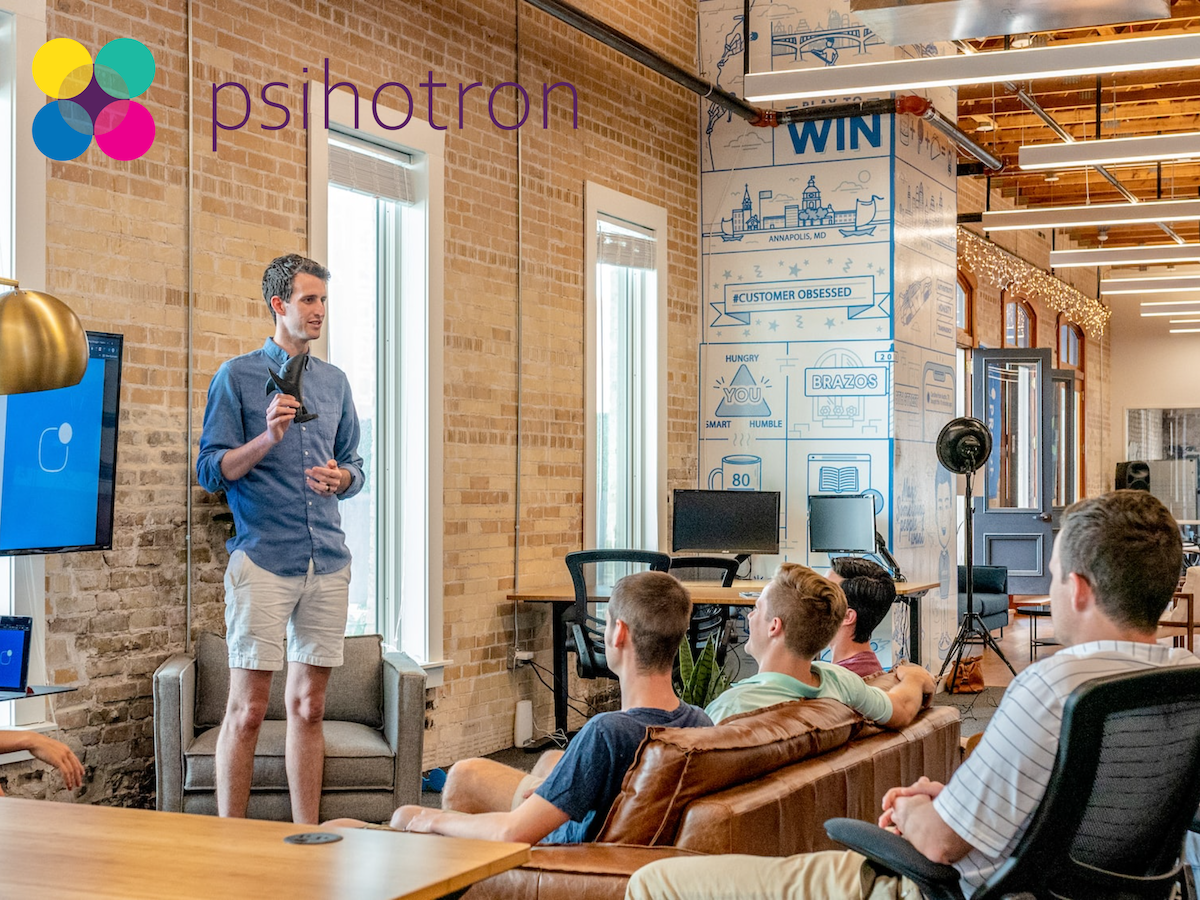
High-performing teams are key to achieving success in organizations. They are able to work together effectively, deliver high results and achieve goals.
Teamwork is a key factor in achieving success in today's business world. However, although you may have a team of experts, this does not necessarily mean that your team will automatically be successful. This is where the importance of team building comes into play.
In this blog, we will explore why team building is important for teams and how it can improve their productivity and mutual relationships.
1. Building Trust
Trust is the foundation of every successful collaboration, and team building is a tool that can strengthen it. Through various activities and exercises, team members have the opportunity to get to know each other better outside the work environment in a deeper and more meaningful way. This helps create a sense of safety and trust among team members.
When team members feel safe and reliable, they will more easily share ideas, constructive criticism and information. This trust enables better communication and collaboration, which ultimately increases team productivity.
2. Strengthening Team Spirit
Team spirit does not happen on its own; it must be built and strengthened. Team building activities create an opportunity for team members to work together toward shared goals beyond everyday business tasks. This strengthens the sense of belonging to the team and motivates members to cooperate to achieve common goals.
Also, team spirit makes the work environment more pleasant and encourages a positive atmosphere in the team. When team members feel connected and motivated, they are likely to be more willing to take on challenges and work better together.
3. Resolving Conflicts
Conflicts are an inevitable part of every team. However, how these conflicts affect teamwork depends on how they are resolved. Team building activities provide an opportunity for team members to better understand different perspectives and approaches. During these activities, team members learn how to constructively resolve misunderstandings and conflicts.
In addition, team building enables team members to develop better communication skills, which reduces the likelihood of misunderstandings and conflicts in the future.
4. Increasing Creativity
Teams that get along well and feel free to express their ideas are often more creative. Team building activities encourage creative thinking and innovation as team members solve challenges together and pose new problems.
Increased creativity enables teams to develop innovative solutions and become more competitive in the market.
5. Increasing Productivity
Ultimately, all these benefits of team building contribute to increased team productivity. When a team has strong trust, good team spirit, an effective way of resolving conflicts and increased creativity, work will be carried out faster and more efficiently.
Team building not only improves productivity, but also increases team members' satisfaction with their work and colleagues.
Conclusion
In a world where teamwork is the key to success, the importance of team building for teams cannot be overlooked. Activities that foster trust, team spirit, conflict resolution, creativity and productivity ensure that teams are resilient and successful in facing the challenges of the business world. By developing these characteristics, organizations can create teams that are capable of achieving outstanding results and contributing to the success of the organization as a whole.
Team building organized by a psychotherapist can be extremely beneficial for improving mutual relationships, communication and collaboration within the team. Such events usually combine elements of psychotherapy and team building activities to help the team better understand and solve problems and build greater trust.
Team building organized by a psychotherapist can help a team develop emotional intelligence, better manage stress and challenges, and build healthier and more functional interpersonal relationships. This is especially useful for teams that work in high-stress environments or have problems with communication and collaboration.
So, investing in team building is not a cost, but an investment in the future of your team and organization.