New Year's Resolution
Text written by: Ensad Miljković, CBT psychotherapist New Year often brings New Year's resolutions with it. Most people don't even make it to February before they've given up. One of the reasons may be…
Psihotron
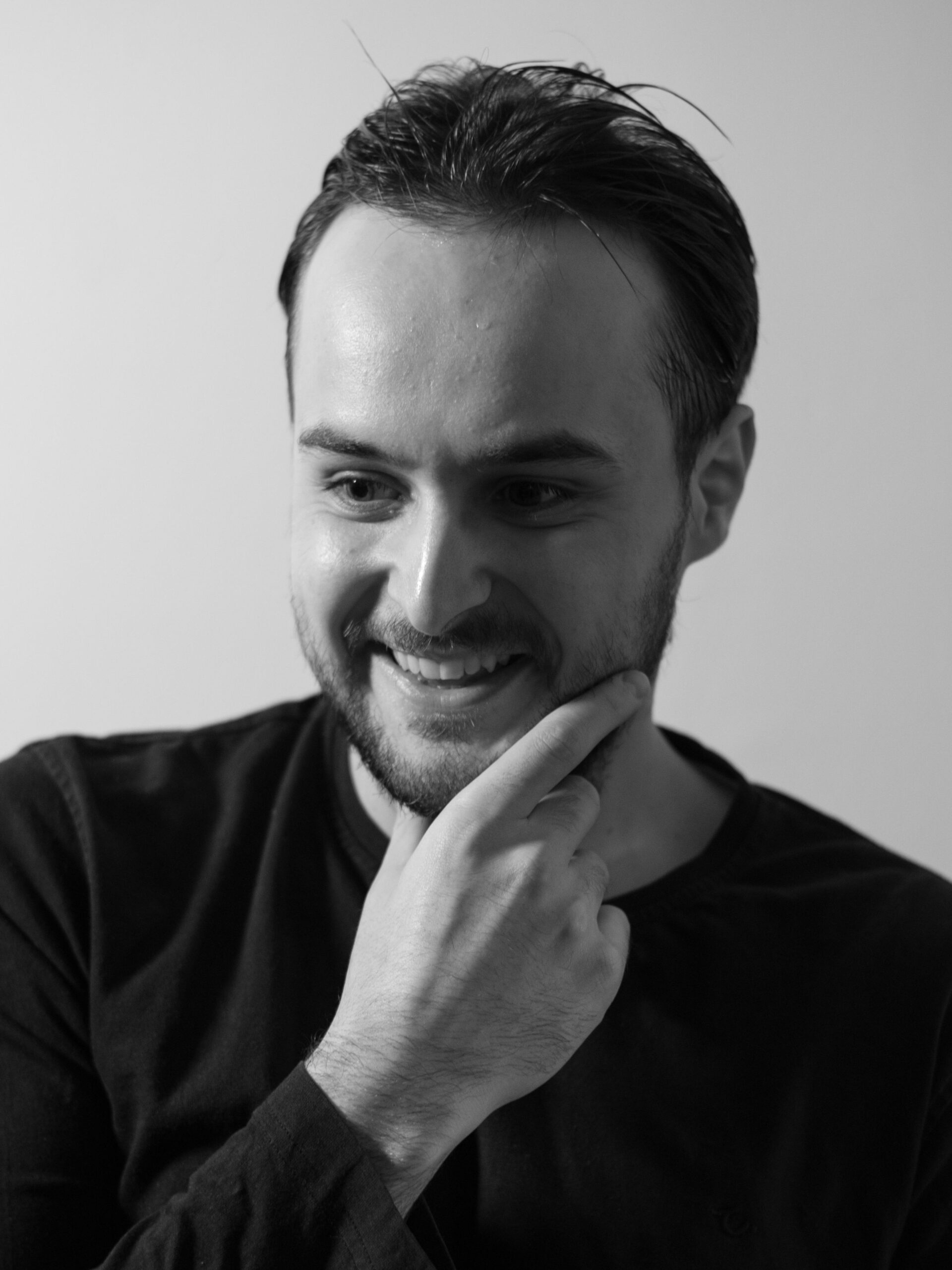
Written by Ensad Miljković, CBT psychotherapist
The New Year often brings New Year's resolutions with it. Most people don't even make it to February before they have given up. One reason may be insufficient insight and failing to connect the goal with our values. Do we really care about the new goal, and if we do, which values is it connected to? An additional reason is not enduring temporary discomfort and not developing tolerance for frustration. When we start training after a longer break, or perhaps for the first time, an enormous resistance arises in our body and brain. It seems we are doing something wrong, because we temporarily feel intense pain. At first glance, the body interprets the pain as something bad and tells us to stop. However, even though you don't feel good, that does not mean you are not on the right path. It is important to learn to break through that barrier. It is important to talk to yourself as you would to a small child or a loved one. The air is thinnest just before the summit. If you have stumbled a little, you have not fallen to the bottom of the stairs; perhaps you simply need to catch your breath before moving forward. Sometimes we go back before we go forward, like an arrow drawn back. Also, remember that the beginning of the year is not the only period when we can work on ourselves. Regardless of the time and the year, if we want to, it is always the right time to work on ourselves.
The brain loves the familiar, so a new skill or change can feel like trying to take a piece of chocolate out of our dog's mouth: very uncomfortable and unpleasant, yet just as necessary for our health. Learning a new skill can be like writing with your non-dominant hand. But what if we have lost our dominant hand and have only one choice, only one path? The longer we perform an action, whether productive or destructive, the stronger the trace it leaves in our brain, so-called engrams. Like a grassy trail on a well-worn path. If we have been doing something harmful, it takes time for the old trail to overgrow, and the brain will often try to return to that old trail, like a golden retriever straining against its leash when it sees a squirrel. Likewise, it takes time to wear down a new trail in our brain when we learn or do something beautiful and important for ourselves. At first the tall grass will scratch our legs a little, but if we walk the same trail every day, day after day, it will become part of us, we will become a better person, and perhaps we will keep our New Year's resolution and, next season, be ready to create yet another new trail in our brain and in our life.
And maybe you can simply ask yourself: where am I rushing to? Do we really absolutely have to accomplish what we have set out to do, and is it truly necessary for our happiness!? Maybe we just need to learn to enjoy the journey. However, we humans love to create and to try, and it is good to work on ourselves, but it is important to make room for flexibility, because otherwise we create room for suffering. If you want to stay where you are and you are simply tired of new adventures and want to enjoy your own garden, for now or forever, there is nothing wrong with that, as long as you are honest with yourself. If you also want something different, for now or forever, there is nothing wrong with that either, as long as you are honest with yourself. If you do not succeed in reaching the desired change on the first attempt, which very rarely happens, accept the uncertainty, talk to yourself again like a small child, be honest with yourself, and tomorrow try again and again and again, like a baby who never gives up while learning to walk...