INVISIBLE TRAINING: 7/10 insights into the inner architecture that change the game
Author of the invisible training: Krešimir Tabak, psychotherapist (The training is planned and designed by the author through 10 instructive and motivating texts for working on yourself. Before you is the seventh invisible…
Psihotron
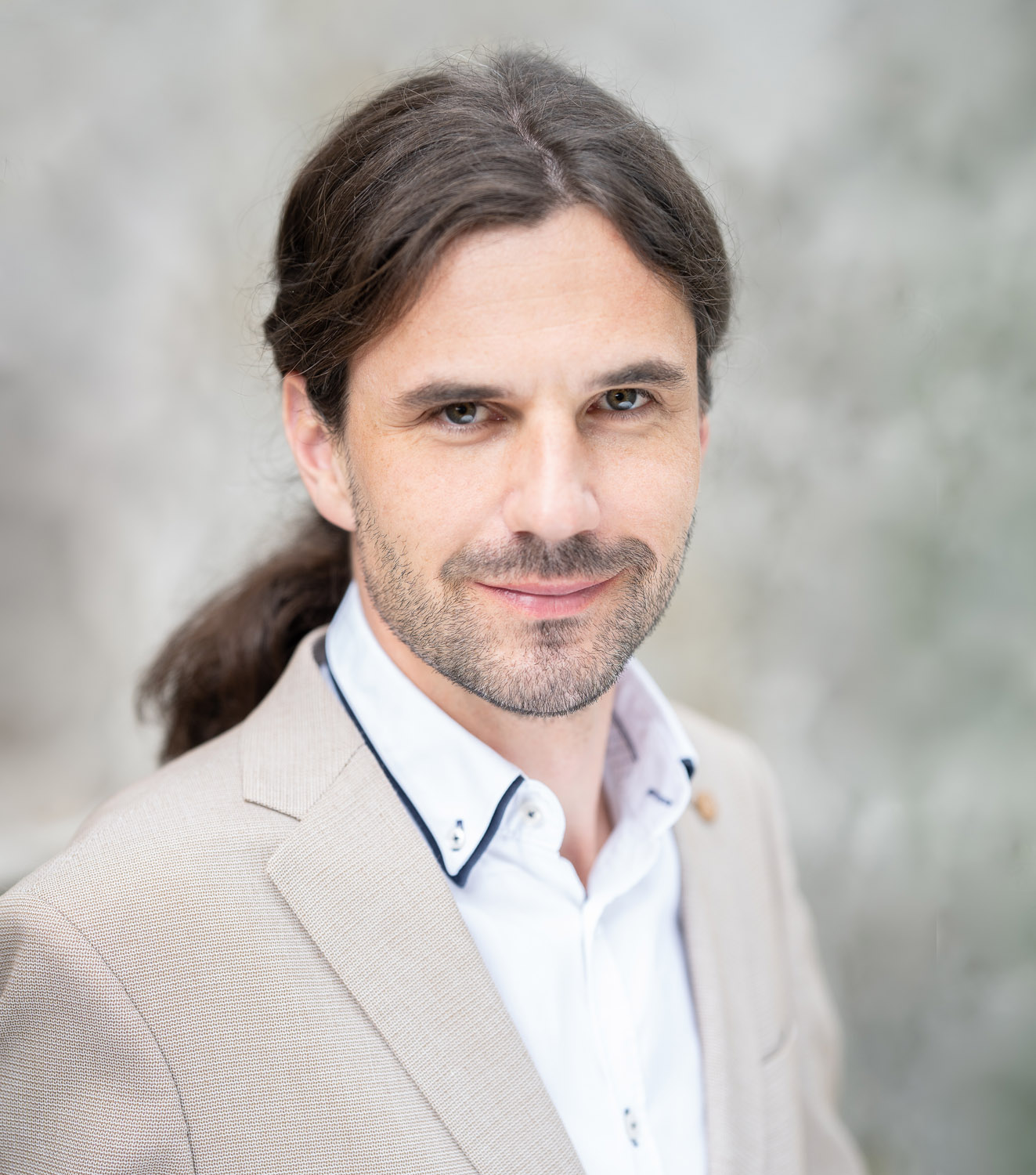
Author of the invisible training: Krešimir Tabak, psychotherapist
(The training was planned and designed by the author through 10 instructive and motivating texts for working on yourself. The seventh invisible training is now before you.)
THE ART OF IDLENESS: How does your free time become your greatest strength?
We live in a culture that celebrates being busy. For the modern leader or athlete, free time often becomes just one more item on the list: “I must” complete the training, “I must” read a book, “I must” be socially active. But if your free time serves only to achieve new goals, it drains you instead of nourishing you. Working on yourself teaches you the difference between mere time-wasting and fruitful leisure. The evolution of your rest happens through these five stages:
First, stepping out of “efficiency mode.” The greatest trap of successful people is trying to be the best even at their hobbies. If you plan only to break a record, or read only to quote figures, you are not resting – you are still at the office. Fruitful time is the kind in which the outcome does not matter, only the process.
Second, silence as a laboratory of ideas. The best strategies rarely arise at the desk, but in “idle mode” – while walking without headphones or simply sitting in silence. The brain needs a space free of stimulation in order to rearrange information and generate new solutions.
Third, hobbies that feed the soul, not the ego. Sterile free time feeds status and results, while fruitful free time nourishes your inner self. Find an activity in which you are a beginner, where you are allowed to make mistakes and enjoy yourself without an audience. This is where genuine self-confidence is built.
Fourth, digital detox. Constant availability makes free time fragmented and shallow. Working on yourself gives you the strength to disconnect without feeling that you are missing out. Only through disconnecting from the network does reconnection with yourself take place.
Fifth, leisure as a strategic advantage. The ability to be “idle” without a guilty conscience is a sign of a high level of personal development. Then energy is not spent but regenerated at the deepest level.
Free time then stops being a reward for hard work and becomes the fuel without which effort loses its meaning. It is precisely in these moments that the clarity arises from which all top results later follow.