Coach, Psychological Coach, Coaching and Psychotherapy: What's the Difference?
In recent years, terms such as coach, coaching and psychological coach have become very present in the public space. Although they are often used interchangeably, they do not mean the same thing. Understanding…
Psihotron
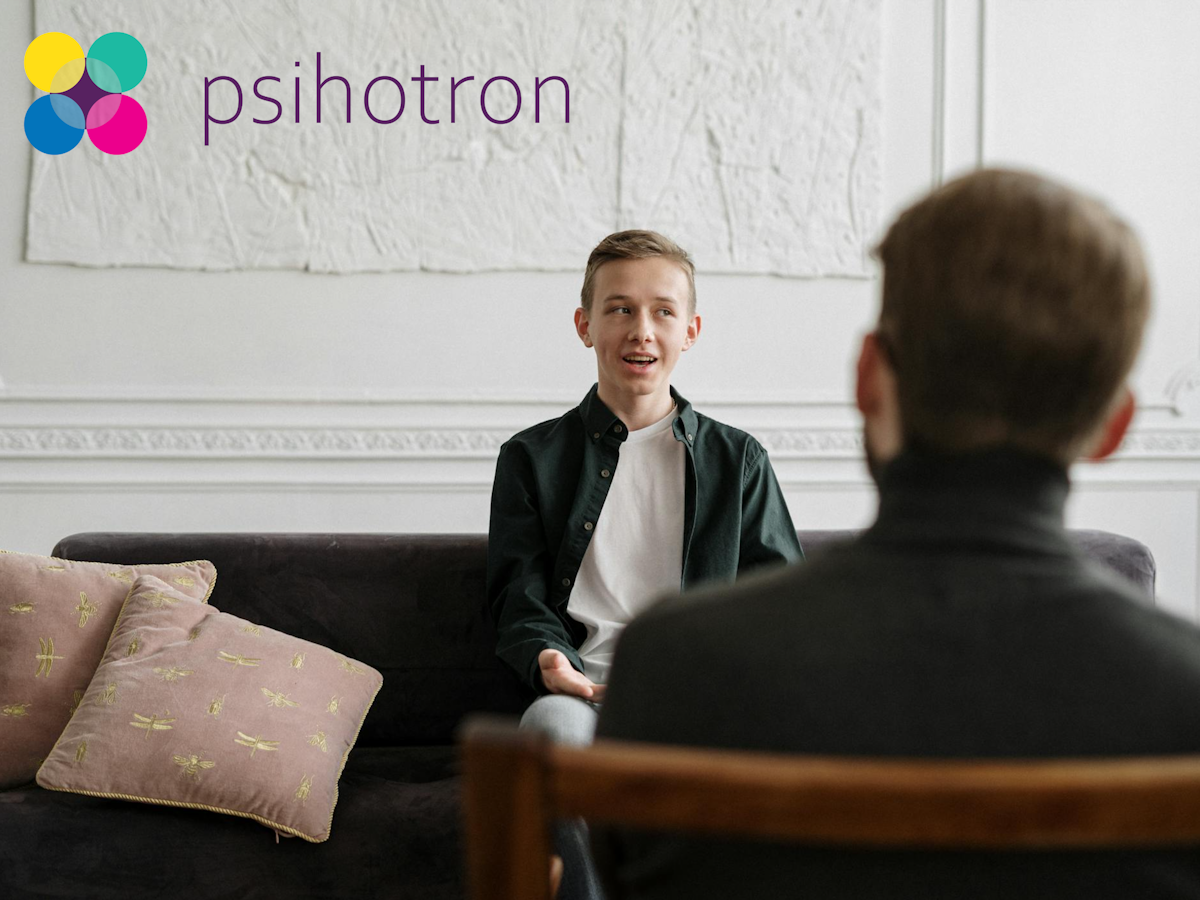
Over the past few years, terms such as coach, coaching and psychological coach have become very present in public life. Although they are often used interchangeably, they do not mean the same thing. Understanding the difference between these approaches is important so that a person can choose the type of support that best suits their needs.
Who is a coach?
A coach is a person who supports individuals in the process of personal or professional development. Through structured conversation, reflection and asking questions, the coach helps the client define their goals more clearly, recognise their potential and take concrete steps towards change.
Coaching is first and foremost a process focused on development, performance and realising potential. The focus of the work is most often on the present and the future – on where the person wants to get to and how they can reach that goal.
An important principle of coaching is that the coach does not give ready-made solutions, but creates a space in which the client arrives at insights and decisions on their own.
Who is a psychological coach?
A psychological coach represents a specific form of coaching approach that draws on knowledge from psychology and an understanding of human behaviour.
In the work of a psychological coach, in addition to setting goals, attention is also given to the psychological processes that influence a person's decisions and behaviour, such as:
beliefs that limit or support change
emotional reactions
internal patterns of behaviour
the way a person perceives themselves and their abilities
Psychological coaching is particularly useful for topics such as building self-confidence, making important decisions, professional development, managing stress or improving communication skills.
It is important to emphasise that psychological coaching is not a substitute for psychotherapy, but a form of developmental support for people who want to understand themselves better and improve certain aspects of their lives.
What is psychotherapy?
Psychotherapy is a professional process that deals with mental health and emotional difficulties. The psychotherapist helps the person understand deeper psychological processes, work through past experiences, recognise patterns that repeat in relationships and develop healthier ways of coping with life's challenges.
Unlike coaching, psychotherapy often involves working with:
traumatic experiences
long-standing emotional difficulties
internal conflicts
psychological symptoms such as anxiety, depression or chronic stress.
In other words, while coaching most often starts from the question “how do I move forward and realise my potential?”, psychotherapy also addresses the question “what inside me prevents me from living the life I want?”
Different Paths of Support
Coaching and psychotherapy are not opposing approaches. On the contrary, they can be complementary forms of support, depending on the person's needs.
On the Psihotron platform, we believe that different people at different stages of life need different forms of support. That is why, in addition to psychotherapy, we also offer a psychological coaching service, intended for people who want to work on topics of personal development, professional decisions, motivation or strengthening their inner resources.
Our goal is for every person to receive exactly the kind of support that can help them most at the given moment.