How to Cope with Panic Attacks?
Panic attacks are sudden and intense episodes of extreme fear and anxiety that can arise suddenly and without warning. A person experiencing a panic attack may feel a range of physical and…
Psihotron
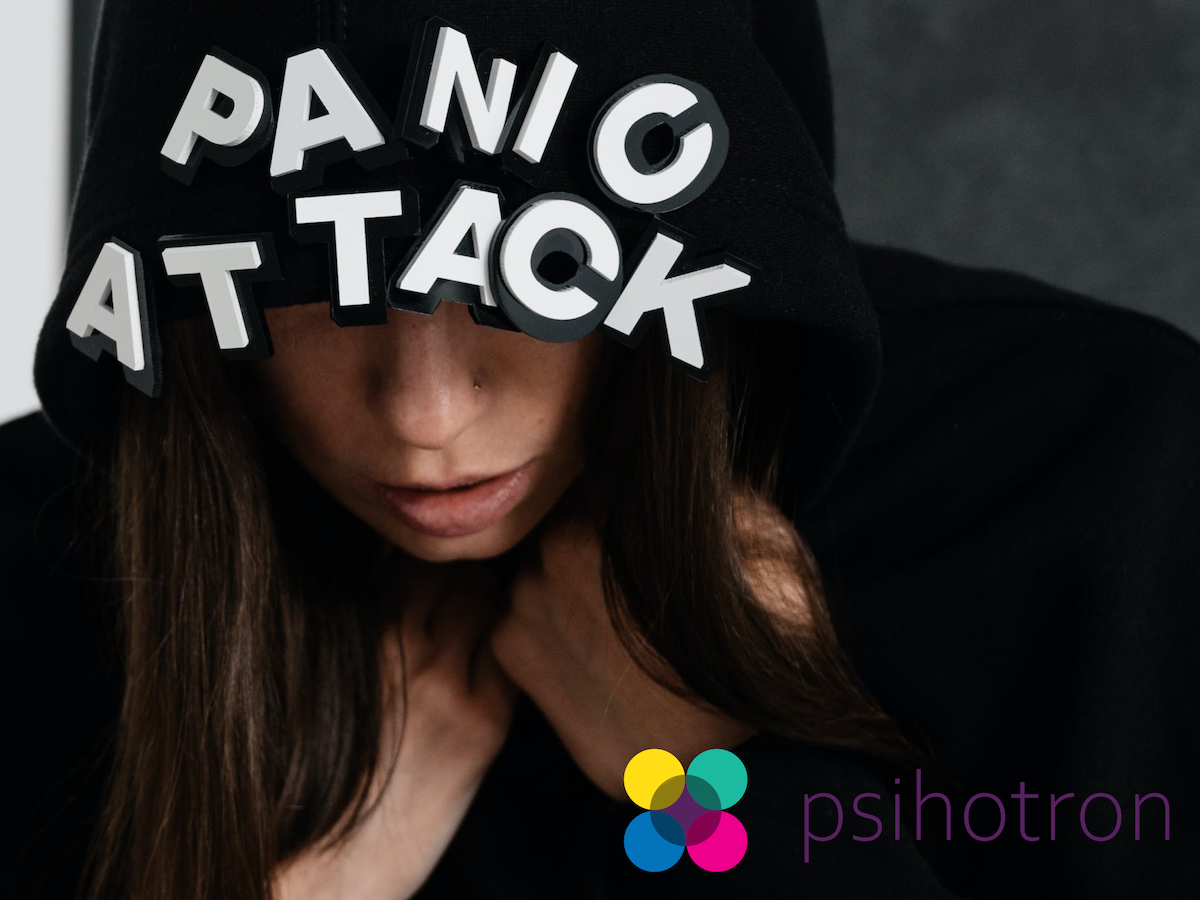
Panic attacks are sudden and intense episodes of extreme fear and anxiety that can appear suddenly and without warning. A person experiencing a panic attack may feel a range of physical and emotional symptoms.
A panic attack is certainly a frightening experience and usually lasts a few minutes, but it can feel much longer. After an attack, a person may feel tiredness, exhaustion or emotional exhaustion.
Self-help for panic attacks can be very useful for reducing symptoms and regaining a sense of control.
Here are some techniques and exercises that may help you:
Deep breathing: One of the key components for calming a panic attack is controlled deep breathing. Try to focus on breathing in slowly through the nose and out through the mouth. Counting in your head as you breathe (e.g. breathe in slowly to four, hold your breath for one second, then breathe out to four) can help you maintain a rhythm.
Visualization: Close your eyes and imagine a relaxing situation, such as a beach or a forest. Try to experience that image in your mind as fully as possible, including the sounds, smells and feelings. This technique can help you redirect your mind and reduce anxiety.
Using positive affirmations: Have a few positive statements that help you calm down and that you can repeat to yourself during a panic attack. For example, "This will pass," "I am stronger than my anxiety" or "Right now I am safe."
Progressive Muscle Relaxation (PMR): This technique involves consciously relaxing all muscle groups in the body, starting with the legs and gradually moving up toward the head. It can help reduce the physical tension that often accompanies panic attacks.
Mindfulness meditation: Mindfulness techniques involve consciously directing attention to moments without judgment. Focus on your feelings, bodily sensations and breathing. Gradually you will become more aware of your body and emotional state, which can help in managing panic.
Use the five senses: This is a simple technique that brings you back to the present moment. When you feel a panic attack coming, stop and think about five things you see, hear, touch, smell and taste in your surroundings. This will help you redirect your attention from anxiety to reality.
Contact a trusted person: If possible, contact a trusted person by phone or meet with them. Sometimes just talking to someone close can be very calming.
A healthy lifestyle: Regular exercise, a healthy diet and enough sleep can help reduce sensitivity to stress and anxiety, which may lower the risk of panic attacks.
If a person regularly experiences panic attacks or if the attacks seriously affect their everyday functioning, it is important to seek professional help from a psychotherapist or psychiatrist. There are a number of treatments, including therapy and, in some cases, medication, that can help in managing panic attacks.
Self-help techniques can be useful for managing symptoms, but they are not a substitute for professional help.