From the Perspective of Tanja Tankosić Girt: Covid-19 Is the Dictator of Our Future!
AUTHOR: H.D. When you tell people to keep social distance instead of physical distance, you are telling them they must not be what our essence is, which is that we are human beings, a social, that is, socially oriented species…
Psihotron
AUTHOR: H.D.
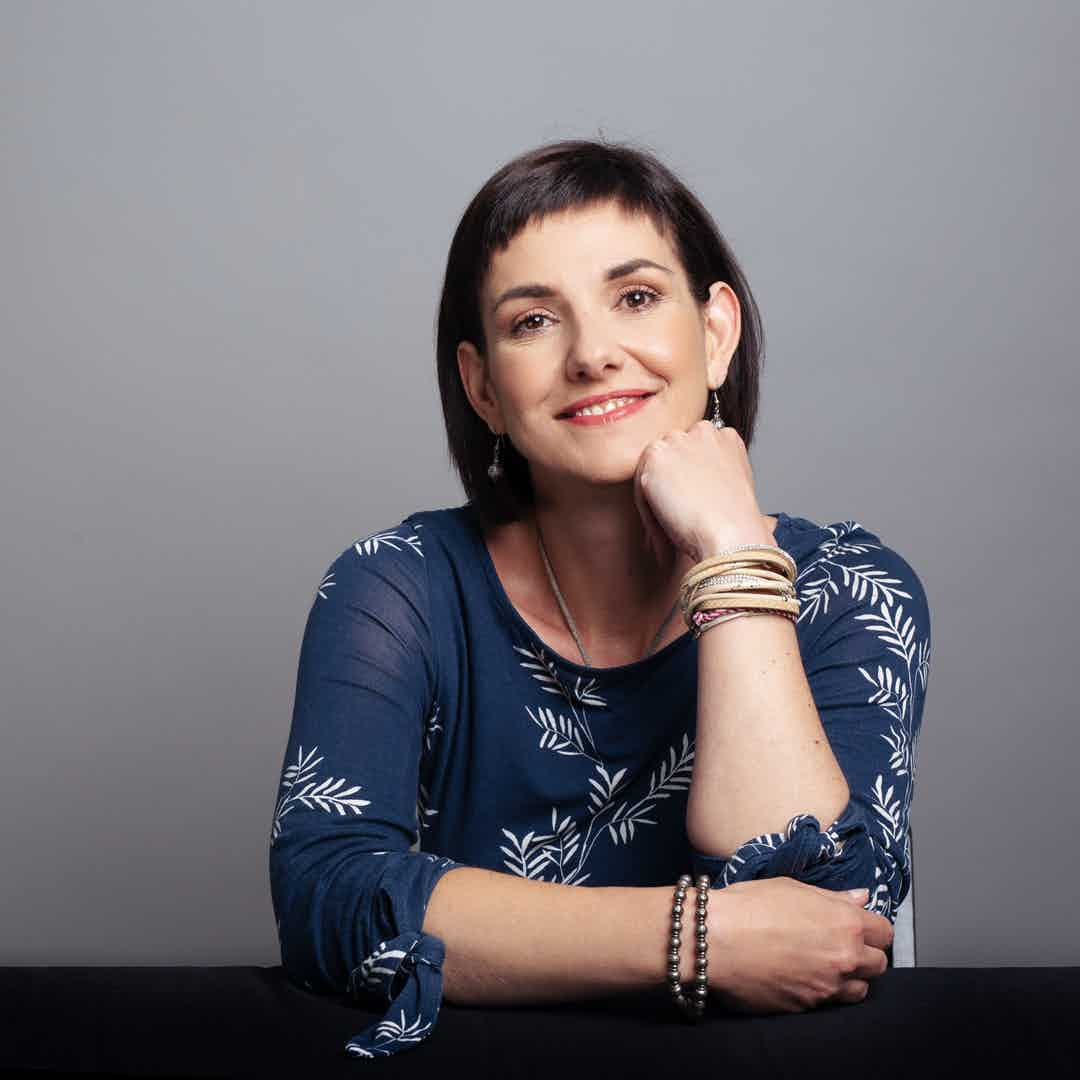
When you tell people to keep social distance rather than physical distance, you are telling them they must not be what our essence is, which is that we are social beings. The generation of children and young people who are currently “schooling” will be the greatest victims. Online classes cannot replace the “living word” or the acquisition of skills, says Tanja Tankosić Girt, psychologist and psychotherapist.
The Covid 19 pandemic has caused social stigmatisation and discrimination against those who are believed to be infected or who have been in contact with the Corona virus. Social stigma in the context of health means a negative association between a person or group of people and a particular illness. During the epidemic, people have been labelled, stereotyped, discriminated against and treated separately, or have lost their status because of their connection to the virus. How to help people in such a situation, and society as a whole, is explained for our magazine by Tanja Tankosić Girt, an experienced psychologist and psychotherapist.
– The public already knows a lot about Covid 19. The Covid 19 epidemic is the first global crisis and event since the Second World War. Like every crisis, it is temporary in nature. We are witnessing sudden but necessary changes that this crisis has produced, and we will probably feel its consequences for generations to come – says our interviewee.
How psychologically dangerous is the overall situation for our society, and how does it affect people’s psyche and their further existence?
– Like any crisis, this one is reflected in our mental health. Since it is a health crisis, it is necessary to understand that overall health means functioning on the physical, mental and social planes, and all three segments of health have been dangerously disrupted. A crisis inevitably produces a feeling of instability and insecurity, which has now lasted for some time. In practice we see that the capacities of our people, and of their families, have already been considerably “worn out”.
People are social, that is, communal beings. How much does this situation bring us together or divide us?
– We, experts in the field of mental health, have reacted to the phrase “social distance” from the beginning. Social distance is not the same as physical distance, which is a decisive precondition for reducing the spread of the virus. When you tell people to keep social distance rather than physical distance, you are telling them they must not be what our essence is, which is that we are social beings. As social beings, we draw a large part of our resources, strength and capacity to cope with crisis situations precisely from our social relationships – from our partners, families, friends, colleagues, neighbours and members of our community. It is necessary to find safe ways to maintain and strengthen social relationships without physical contact. Many people now work from home and feel isolated from contacts and relationships that are important to them for their professional growth and development, and unfortunately few organisations think about this need. We are also cut off from members of our extended families and from friends; however, it is extremely important to continue, as far as possible, to maintain closeness in our relationships. That is why we do not need weddings, birthdays or joint celebrations, which can become a major epidemiological problem.
Statistics show that in 2020 the consumption of medicines, especially antidepressants, increased significantly. How do you comment on this?
– The use of pharmacotherapy is in any case necessary in some acute states of psychological crisis and in mental illnesses. It is worrying that for some users this type of therapy becomes the only way of coping with crises, problems, difficulties and challenges. Unfortunately, a large number of our fellow citizens take psychopharmacotherapy without medical supervision.
How will the current situation set back children, or prepare them to work in specific circumstances and conditions?
– The generation of children and young people who are currently “schooling” will be the greatest victims. Online classes cannot replace the “living word” or the acquisition of skills. Educational institutions here, incidentally, are based on acquiring knowledge rather than skills, which would enable our young people not only to be competitive in the labour market but also to be functional citizens of a society. Universities, which should be hotbeds for developing critical thinking, do not plan to reopen, nor do secondary schools. All segments of education, all pupils, students and every age group are losing a great deal. What is happening is that children and young people from families with lower incomes have far fewer capacities for following online classes, because they require a good internet connection and good equipment (laptop, tablet), and all of this costs more than parents can afford. Children and young people from better-off families are, from the start, in a much better position.
Such situations also bring out evil in people, given that the number of cases of domestic violence has increased and a growing number of women are seeking refuge in safe houses.
– Like all crisis situations, this one awakens both good and evil. We have seen that a large number of citizens have socially engaged to help the vulnerable. On social networks there are many active campaigns launched for individuals and families in various states of need. A considerable number of people, especially in spring and during the lockdown, provided various kinds of volunteer services, many free telephone lines for various forms of help and support, including psychological support, were opened. The Association for Systemic Practice and Therapy, of which I am a member, provided free services to our citizens in March, April, May and continues to do so, from telephone calls to elderly citizens to free psychotherapy services. Unfortunately, we are also witnessing the other side. Dysfunctional families and partner relationships have become more dysfunctional during the crisis, and the number of cases of domestic violence has increased. Victims have remained “trapped” with their abusers, and children who would previously at least have had the opportunity to leave a violent home and go to school have lost that possibility.
What is happening globally, but also, as we witness, in our immediate neighborhood, is the rise of violent extremism and terrorism. Unfortunately, this kind of crisis brings with it an increase in violence that is ideologically motivated and directed at others and at those who are different.
A particular concern is the financial crisis, since during the pandemic many companies have closed and people are losing their jobs… How can we preserve our reason, and what can we occupy it with?
– The crisis, which is at its core a health crisis, has also produced an existential crisis. The current consequences are very visible, but I fear it will become even harder. Families who were already living on the edge of poverty will be especially affected. Our society was already politically and institutionally insecure, and now this crisis and mistrust are deepening. Social and economic policies, unfortunately, do not protect the most vulnerable segments of society. For someone who has lost their job, it is very difficult to find ways to overcome the personal, family, existential and health crisis. We need to understand that these are not separate segments, and that all of them contribute to well-being. Systems and institutions lack understanding, let alone action plans for such crisis situations. They do not understand that a society is made up of functional, healthy and fulfilled citizens, citizens who are able to experience general well-being. We can and should draw strength and capacity from the important close bonds and relationships in our lives, try to keep our daily routine as similar as possible, and recognize when we need help and support from outside.
How do you see the future?
– It is very thankless to make predictions. We must be aware that we will be living in a changed world for a long time. Wearing masks, physical distancing, disinfection and the like will be part of our everyday life for many years to come. The sooner we understand and accept this, the easier and faster we will adapt. The sooner we adjust to change, adopt new patterns of behavior and develop our capacity for flexibility and adaptability, the sooner we will reach the necessary balance.
Tanja Tankosić Girt completed her studies in psychology at the Faculty of Philosophy of the University of Sarajevo. During and after her studies, she worked for domestic and international organizations on projects building trust and peace in our country.
She also worked for a long time at the Court of BiH, providing psychological support to witnesses as well as to victims of the most serious crimes, including war crimes, terrorism, human trafficking and organized crime. She continued to develop professionally, completed specialist studies in family systems therapy, and became a holder of the European Certificate for Psychotherapy. Two years ago she decided to invest further in her professional as well as personal growth and development. She left her job at the Court of BiH and, together with colleagues, founded the Family Systems Training Institute in Sarajevo. She is currently completing additional training to become a family systems supervisor and educator.
Azra.ba