Food, Emotions and What We're Missing
In addition to my diploma in psychotherapy, I also had the opportunity to work in nutrition research, where I earned a master's degree. How important it is how we eat and what we put into our bodies is clear...
Merima Bešlija
Alongside a diploma in psychotherapy, I also had the opportunity to work in research in the field of nutrition, where I also earned a master's degree.
How important it is how we eat and what we take into our bodies is clearly shown by today's statistics. Obesity (lat. obesitas) has become one of the greatest health challenges of our society, and increasingly so already in childhood.
When a ten-year-old is markedly overweight, it is not only a matter of appearance. It is a serious signal that the child and the family need support. That is why I believe the system of help for children and young people must act preventively and early. Parents should be included in counselling and nutrition programmes, so that behaviour change happens in time and together with the family.
How do we talk with children about food?
Children learn more from what they see than from what we tell them. Instead of prohibitions and comments about the body, it helps:
to eat together at the table, without screens;
not to divide food into “good” and “bad”, nor to use it as a reward or a punishment;
to talk about how we feel after a meal, how much energy we have and how our mood is;
to be a role model, because a child watches how we relate to food and to our own bodies.
Why do we gain or lose weight in difficult periods?
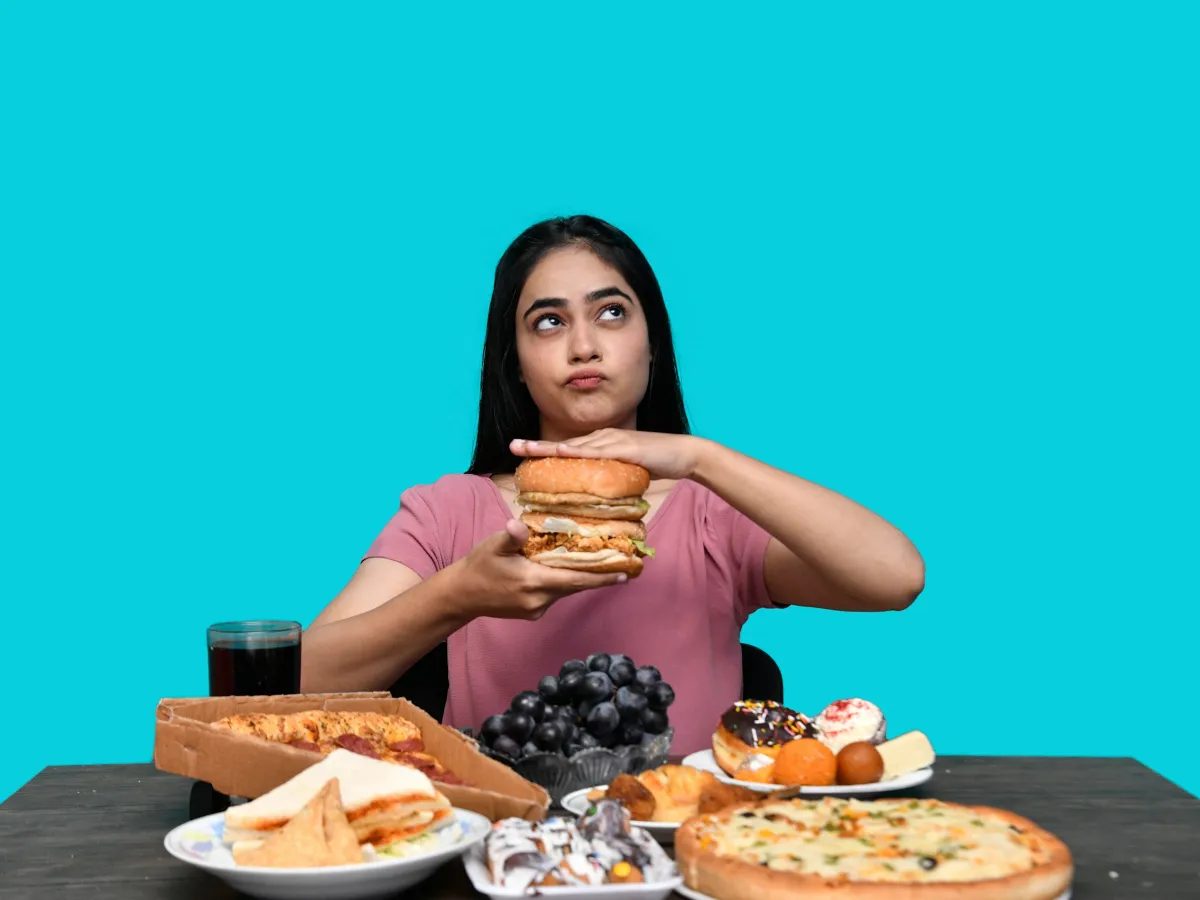
Sometimes it seems that we eat in order to “fill” some psychological gap. After the loss of a loved one, a divorce or great stress, food often becomes a comfort, and sometimes the only thing available to us at that moment. The body seems to try to “swallow” all the problems, and excessive weight develops.
In others, especially after traumatic experiences, the opposite happens: appetite is lost. A child or an adult may then unconsciously “punish” their body by withholding food, out of a feeling that they are not good enough. In both cases the common thread is the same: the support that was needed at the time was absent, and the trauma has not been healed.
Where can I seek help?
Gestalt psychotherapy and psychodrama, together with continuous work on yourself and your own processes, can greatly help these wounds to heal and bring your relationship with food and your own body back into balance. If you recognise yourself or your child in these lines, you do not have to go through this alone.